How Pokies Actually Work: A MIRAGE66 Review for First-Time Depositors
How Pokies Actually Work: A MIRAGE66 Review for First-Time Depositors Your finger hovers over the deposit button. You have read three comparison pages, bookmarked two welcome bonus offers, and run the...
How Pokies Actually Work: A MIRAGE66 Review for First-Time Depositors
Your finger hovers over the deposit button. You have read three comparison pages, bookmarked two welcome bonus offers, and run the wagering requirements through a calculator. Before you commit that first AUD 16, you want to understand what is actually happening inside the pokies themselves — not the marketing layer on top of them. MIRAGE66 is an online gaming platform launched in 2020, built for adult players aged 18 and above, with a library that draws from providers like Pragmatic Play, Jili, Spade Gaming, Joker, and several others. This MIRAGE66 review takes a technical look at the game mechanics that drive every spin, and what a cautious first-time depositor should verify before loading the cashier. By the end, you will know which numbers to check, which terms to read, and which red flags justify walking away.

Photo by Aleksandar Dragojević on Pexels
How a Pokies Spin Actually Works Under the Hood
Every pokie on the online gaming platform runs on a Random Number Generator (RNG). This is software that produces thousands of number combinations per second, even when no one is playing. The moment you press spin, the RNG locks in a number that maps to a specific arrangement of symbols on the reels. That arrangement is your result. There is no memory, no pattern, and no "due" spin. The previous 200 losses have zero effect on the next one.
This matters because most first-time depositors approach pokies with a gambler's mindset borrowed from a poker table or a sports book. Pokies are not skill games. You cannot read a streak, you cannot time a hot machine, and you cannot out-think the engine. Understanding this is the first mechanical filter every cautious player should apply before they enjoy games on the platform.
Each pokie is built around a few structural elements:
- Reels — the vertical columns (usually 5 in modern games) where symbols land.
- Paylines — the lines across the reels that determine winning combinations. Some games offer 243 ways to win instead of fixed lines.
- Symbols — the images on the reels, divided into low-pay (often card-suit icons) and high-pay (themed characters or objects).
- Wilds and Scatters — special symbols that substitute for others or trigger bonus rounds.
Providers like Pragmatic Play, Jili, Spade Gaming, and Joker design these games with their own math models, which is why two pokies can look similar on screen but behave very differently in payout frequency and bonus trigger rate.
RTP, Volatility, and Hit Frequency: The Math Every Depositor Should Check
If you only learn three numbers before depositing, learn these. They tell you more about a pokie than any review headline.
RTP (Return to Player) is the percentage of all wagered money a game is programmed to return over millions of spins. A pokie with 96% RTP returns, on average, AUD 96 for every AUD 100 wagered across its lifetime. That does not mean your session will return 96%. Variance is massive in the short term. But for anyone playing pokies online australia, comparing RTP between games is a quick way to filter for better long-term value. Most pokies in the online australia mirage66 lobby sit between 94% and 97% RTP, depending on the provider.
Volatility (sometimes called variance) describes how a pokie pays out. High volatility means infrequent but large wins. Low volatility means frequent but small wins. There is no "better" volatility — it depends on your bankroll and your patience. A cautious first-time depositor with AUD 50 will probably last longer on a low or medium volatility game than on a high volatility one, simply because small wins extend the session.
Hit Frequency is the percentage of spins that produce any win at all. A pokie with a 30% hit frequency will produce a winning combination on roughly 1 in 3 spins. This is separate from RTP — you can have a high hit frequency with low payouts or a low hit frequency with high payouts.
For NSW players, these three numbers are worth checking on the game info page before you load a single spin. The info page is usually a small "i" or question-mark icon on the pokie interface. If the data is not visible, that is a red flag for transparency when you play online pokies nsw.
Photo by Pixabay on Pexels
Reading the Paytable and Game Set: What Each Symbol Is Worth
The paytable is the instruction manual most players skip. It is also where the real mechanics are documented. Open the paytable for any pokie in the lobby and you will see the value of each symbol, how paylines connect, and what triggers the bonus features.
Key things to check in the paytable:
- Symbol values — High-pay symbols are usually worth 10x to 50x your line bet for a five-of-a-kind. Low-pay symbols often pay less than your bet amount, meaning five low symbols still results in a net loss on that spin.
- Wild symbol behaviour — Some wilds expand to fill the entire reel. Others come with multipliers. A few trigger re-spins. The paytable tells you which type you are playing with.
- Scatter mechanics — Scatters usually pay anywhere on the reels (not just on paylines) and are the gateway to free spins or bonus rounds.
- Bonus round rules — Does the free spins round have a multiplier? Are retriggers possible? These details change the expected return during bonus play significantly.
The game set on the platform draws from providers including Live22, BNG, Next Spin, JDB, VPower, Mega888, Pussy888, and Ace333. That range means paytable structures vary widely. A Pragmatic Play pokie and a Jili fishing game share almost no mechanical DNA, so reading the paytable is not optional homework — it is the only way to know what you are actually playing.
Photo by cottonbro studio on Pexels
Welcome Bonus Math: What the Register Free AUD 16 Bonus Really Means
The registration offer is the moment most first-time depositors stop being cautious. The platform advertises a register free AUD 16 bonus, and suddenly the deposit button looks risk-free. It is not. Here is the mechanical breakdown.
A typical welcome bonus structure works like this: you deposit a minimum amount, the platform matches a percentage, and you receive bonus credits on top of your real-money balance. Those bonus credits are locked behind wagering requirements — usually expressed as a multiplier (e.g., 25x, 30x, 40x). Wagering means you must bet the bonus amount that many times before any winnings derived from it can be withdrawn.
For example: if you receive AUD 16 in bonus credits with a 30x wagering requirement, you must place AUD 480 in total bets before those bonus-derived winnings become withdrawable cash. During that playthrough, not all games contribute equally. Pokies usually contribute 100%, but table games and fishing games might contribute 10% or 0%. Some games are excluded entirely — you will not find this in the headline banner; it lives in the bonus terms page.
The games without wagering contribution are listed in the promotion terms. Ignoring that list is the most common mistake new depositors make. You could grind through AUD 480 in spins on an excluded game and the system will not count a single cent toward your wagering target. Read the eligible games list before you start.
Other terms to check on any welcome bonus:
- Maximum bet while wagering — often capped at AUD 5 or AUD 8 per spin. Exceeding it can void your bonus.
- Withdrawal cap — some bonuses cap the amount you can cash out from bonus winnings.
- Expiry window — most bonuses expire in 7 to 30 days. Unused bonus credits vanish after the deadline.
Photo by Dylann Hendricks on Pexels
Instant Withdrawal and Payout Speed: Checking the Plumbing
Instant payout pokies get attention, but the spin speed is not the bottleneck. The bottleneck is the cashier. Before you deposit, verify how the platform handles instant withdrawal requests and what methods are available for AUD payouts.
Three things to test before trusting the cashier:
- KYC verification turnaround — Most platforms require identity documents (driver's licence, proof of address) before processing your first withdrawal. Submit these immediately after registering, not when you want to cash out. If verification takes 48 hours and you only request it on withdrawal day, you have added two days to your payout.
- Withdrawal method availability — Bank transfer, e-wallet, and crypto options each have different processing times. Instant withdrawal claims usually apply to e-wallets, not bank transfers. Bank transfers can take 1–3 business days even on the fastest platforms.
- Pending period — Some platforms impose a 12–24 hour pending window before a withdrawal is processed. That is not instant. Check the cashier terms.
For first-time depositors, the smartest move is to make a small test deposit, play a few sessions, then request a small withdrawal before committing a larger bankroll. If the payout arrives in the timeframe advertised, you have verified the plumbing. If it stalls, you have learned something important with minimal exposure. You can review the full withdrawal policy and supported methods directly at MIRAGE66.
Photo by dp singh Bhullar on Pexels
Responsible Play and the Real Cost of Pokies Online
The mechanical transparency of pokies is a strength. The RNG is auditable, the RTP is published, and the math is the same for every player. What the math does not show is the behavioural cost. Pokies are fast. A spin takes 3 to 5 seconds. At that pace, AUD 50 disappears in minutes if you are not paying attention.
Set a session budget before you load the first game. Decide on a stop-loss (the amount you are willing to lose) and a win goal (the amount at which you cash out and walk away). The RNG does not know about your budget, but you do. Use deposit limits if the platform offers them, and never chase a loss by increasing your bet size.
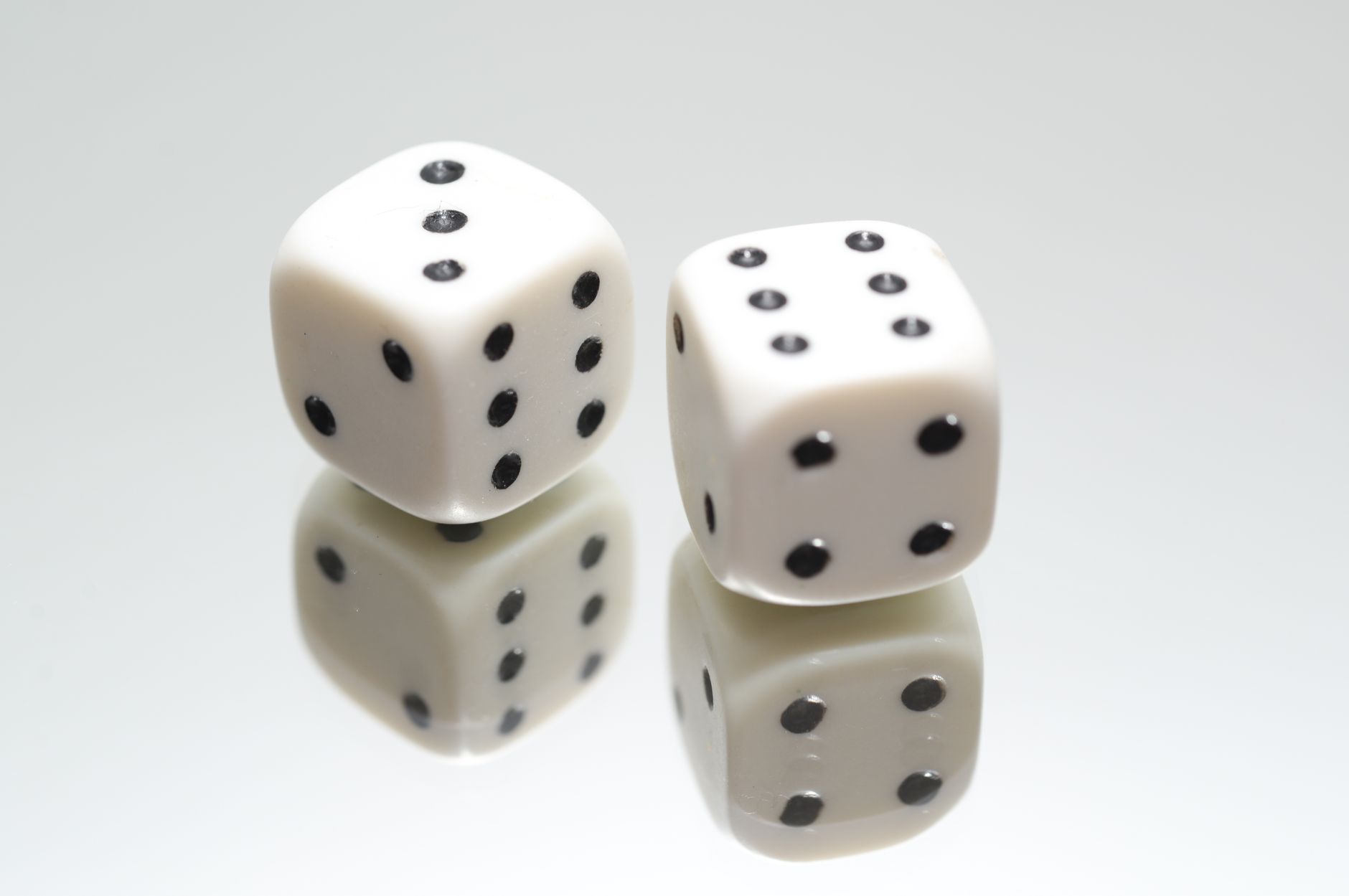
Photo by ClickerHappy on Pexels
FAQ
What is the difference between RTP and volatility?
RTP is the long-term expected return percentage. Volatility describes how that return is distributed — big infrequent wins versus small frequent ones. Two pokies with the same 96% RTP can feel completely different depending on their volatility setting.
Do pokies on MIRAGE66 use a real Random Number Generator?
Yes. Reputable providers like Pragmatic Play, Jili, and Spade Gaming use certified RNG software that is audited by independent testing labs. Each spin is independent and random.
Can I play pokies on mobile?
Yes. The platform is designed for mobile, tablet, and desktop access. Most modern pokies are built in HTML5, which means they scale to any screen size without losing functionality.
How long do instant withdrawal requests actually take?
For verified accounts using e-wallet methods, withdrawals are often processed within minutes to a few hours. Bank transfers typically take longer. The pending period and KYC status affect the total time.
What is the minimum deposit to activate the welcome bonus?
The minimum deposit varies by promotion. Check the specific terms on the promotions page before depositing, as the qualifying amount and bonus percentage are listed there.
This online gaming platform intended only for users aged 18 and above. Online gaming involves risk and should be treated as entertainment only. There is no guarantee of winning, and users should never spend more than they can afford to lose.
Promotion values, eligibility, validity, withdrawal limits, VIP benefits, and transaction processing times may vary depending on platform terms, account status, selected method, and current offer conditions. Users should always review the latest promotion details, terms, and conditions before participating.
This platform does not encourage irresponsible gaming, chasing losses, or using gaming as a source of income. Players should set personal limits, understand the rules, and seek support if gaming stops being enjoyable or becomes difficult to control.
Thank you for reading this piece from our digital heirloom collection.
MIRAGE66 · The Digital Heirloom · Volume I